
Quitting Resources for Teens
Helping the young person in your life avoid smoking, vaping and other tobacco products is one of the most important things you can do to protect their health.
What parents need to know about vaping
E-cigarettes are electronic devices that heat a liquid mixture of chemicals often containing addictive nicotine and produce an aerosol of small particles that is inhaled. They come in many shapes and sizes. Most have a battery, a heating element and a place to hold liquid. This liquid is sometimes called e-juice, e-liquid, vape juice or vape liquid.
Parents should know these important facts about e-cigarettes and vaping:
- E-cigarettes are tobacco products. They are not safe for kids, teens or young adults.
- Most e-cigarettes contain nicotine. Nicotine is highly addictive and can harm adolescent brain development, which continues into the early to mid-20s.
- Young people who use e-cigarettes may be more likely to smoke cigarettes or use other nicotine products in the future; because of the changes that nicotine makes to their developing brains.
Although it is illegal for anyone under age 21 to purchase tobacco products, including vaping products, vaping is still a concern among youth and young adults.
How can I help my child quit vaping or smoking?
EX Program, a text message quit-vaping program designed for young people, is developed by Truth Initiative with the Mayo Clinic Nicotine Dependence Center. The program is tailored to provide a personalized experience based on age, enrollment date or quit date, and tobacco product type. Anyone ages 13 and older can text EXPROGRAM to 88709 to enroll.
How can I prevent my child from vaping or smoking?
You can take steps to help your child stay tobacco-free. Research shows that parental attitude is very important when it comes to youth and tobacco use. If a young person believes that their parents would be upset if they smoked, they are less likely to smoke. Also, the credibility of a parent’s message decreases if they smoke or use e-cigarettes. If you use tobacco, it’s never too late to quit. For free help, visit smokefree.gov or call 1-800-QUIT-NOW.
Communicating with your child is important to help them stay tobacco-free.
Try these tips to help the young person in your life make good choices.
- Listen: Don’t do all the talking.
- Educate: Inform them about the dangers of tobacco.
- Role play: Have them practice what to say if they are asked to use tobacco.
- Teach: Help your kids make wise decisions on their own.
How can I tell if my child is vaping?
It can be hard to tell if your child is vaping. The e-cigarette aerosol may have a mild sweet smell, but it won’t cause the tell-tale smoke smell on clothes, hair or in the air like regular cigarettes. Also, e-cigarettes are often small and easy to conceal. Signs of vape use can include frequent excuses to use the restroom or go outside, unusual charging cables, changes in sleep patterns, increased irritability and difficulties focusing.
Start by finding out what your child knows about e-cigarettes. Ask them if they see people vaping at school or what their friends are saying about e-cigarettes. See where the conversation goes.
Pay attention to your child’s behavior. Kids who vape may talk about feeling irritable or lose their temper easily. Irritability can be a sign that your teen is using nicotine because it’s a stimulant like caffeine. They may be irritable between doses.
Behavioral signs
- Irritability, anxiety, prone to mood change, lack of impulse control
- Difficulty concentrating in school and maybe even slipping grades. If a student is vaping and they are having nicotine withdrawal in class, they may not be paying attention to the teacher but rather thinking of when they can get their next nicotine dose.
- Burning candles or incense or suddenly using perfume or cologne. This could be an attempt to hide the sweet scent from their e-cigarette.
Physical signs
- Change in eating patterns, accompanied by weight gain or loss
- Mouth sores or irritation around the mouth from being exposed to the chemicals in vapor
- Unexplained nose bleeds
- Increase in thirst because some of the chemicals found in e-liquid can cause dry mouth
Other signs
- Missing phone chargers or unusual charging cables
What do vape devices look like?
Some e-cigarettes look like regular cigarettes, cigars or pipes. Some look like USB flash drives, pens and other everyday items. Larger devices such as tank systems, or “mods,” do not look like other tobacco products. Many of these devices need to be charged, so you may find charging devices that don’t look familiar.
Isn't nicotine a harmless stimulant? Why does it matter if my teen vapes?
Nicotine is not a harmless stimulant. It is a highly addictive toxin.
Nicotine is extremely damaging to developing brains. Using nicotine before age 25 damages the parts of the brain that control attention, learning, mood and impulse control. Using nicotine during this period also makes the brain more susceptible to addiction of all types. These changes last a lifetime.
A common misperception among youth is that vapes do not contain nicotine, but most do.
Aren't flavored products illegal?
One of the things that makes vaping so appealing to young people is that the products come in a huge array of sweet flavors. The flavor bans enacted in 2020 only apply to closed, pre-filled pods, like JUUL cartridges. The limited flavor ban does not cover disposable e-cigarettes. Flavors are still allowed and widely available in these disposable products and refillable products.
Is vaping safer than smoking?
E-cigarettes have not been proven as a harmless alternative to smoking. The aerosol produced by e-cigarettes has the same harmful toxins found in glue and paint, even if the liquid is labeled as nicotine-free. It is not just water vapor. They also can cause issues similar to cigarette smoking such as coughing, chest pain and a raised heart rate. They also can cause damage to teeth and gums.

Featured Podcast:
How to talk to your children about vaping
Jennifer Cofer, Dr.P.H., executive director of EndTobacco™, and Mark Moreno, senior vice president for Governmental Relations and Health Policy at UT MD Anderson Cancer Center, share tips for talking to children and teens about these dangers.

Negative effects of vaping on teens
When e-cigarettes were first sold, many claimed users would be adult smokers who wanted to stop smoking regular cigarettes.
But youth oriented marketing, sweet flavors that appeal to kids and the availability of products that are easy to hide led to an epidemic of use among teens who have never tried regular cigarettes.
The number of teens vaping is down since a peak of over five million in 2019, but there are still over 1.6 million middle- and high school students vaping in the United States.
That’s a problem because most e-cigarettes contain nicotine, which is highly addictive and damages young, developing brains.
The aerosol produced by e-cigarettes can also have the same harmful toxins found in glue and paint. Researchers are still trying to find out if the toxic chemicals in e-cigarettes have long-term health effects, like heart disease and lung cancer.
If you’re worried about your teen vaping and want to support them with quitting or avoiding peer pressure, try these tips from Jennifer Cofer, Dr.P.H., executive director of MD Anderson’s EndTobacco™ Program.
Be proactive
As their parent, you are your child’s primary teacher. Start a conversation to find out what your child knows about vaping. You can ask them if they have seen people vaping at school or what their friends say about vaping. Talk about the harms of nicotine and let them know the benefits of not using any nicotine product. You can use a conversation guide like this one from the American Lung Association.
Highlight that nicotine disrupts brain development
Your child’s brain will continue to develop until their mid-20s supporting greater executive function, regulation of emotions and reward processes. Nicotine disrupts this growth and can upset attention, impulse control, mood and reward sensitivity. Using nicotine makes youth more vulnerable to nicotine addiction, worsening mental health problems and substance-use disorders.
Show them vape products contain dangerous chemicals
The number of chemicals in an e-cigarette can reach as high as 2,000, according to some studies. These chemicals create the flavors and other characteristics of vape liquid. Carcinogens like acetaldehyde and formaldehyde as well as ingredients found in glue, car exhausts and weedkiller are also used in vape liquids. These substances can cause nausea, vomiting, lung damage and in some cases have been fatal.
Emphasize that tobacco companies target them
Tobacco companies spend millions of dollars every day on marketing and specifically target young people with cute names, candy flavors, celebrity endorsements and trendy packaging. Talk about advertising with your child and show them how misleading ads hide the true harms of vaping. This leads to a lifetime addiction and maximum profits at the expense of their health.
Emphasize that most teens don’t vape
Social pressure often pushes teens toward vaping so showing them that most of their peers choose to protect their health by not vaping can be powerful. More than 90% of high school students and over 95% of middle school students don’t vape.
Watch for signs they are vaping
Familiarize yourself with the different types of vaping products and be on the look-out for these hidden in backpacks or elsewhere in your child’s room. If your child is using nicotine, they may also have mood changes. Nicotine is a stimulant, which can cause irritability when they are using it and also when they are withdrawing from it.
Share resources designed for them
If you suspect your child is vaping, make use of quit programs that are designed for them. MD Anderson supports the EX Program, a text-to-quit tobacco and vaping program from the Truth Initiative. EX is a text-based service where anyone ages 13 and up can sign up to receive messages to support them as they quit. There are also resources for parents. Reach out for help by texting EXPROGRAM to 88709.
Role-play refusal skills
Help your child come up with ways to say no when vapes are offered or being used around them. Teach them to Avoid, Escape and Refuse. Avoid the offer entirely by staying out of situations where people may be vaping. Escape the offer by walking away or giving an excuse like, “I’m late for practice,” or simply “I’ve got to run, see you later!” If offered directly, refuse saying, “I have too much going on to start vaping,” or “Vaping will damage my brain.”
Don’t vape, smoke or use any form of tobacco yourself
Finally, be the best example you can be and don’t vape or use any tobacco product yourself. The best way to quit is by using medication to help with nicotine cravings plus counseling to help you navigate triggers that may cause you to relapse. Reach out for help by texting QUIT to 47848 or call 1-800-QUIT-NOW (784-8669).

Smoking hookah: Health risks and side effects
You probably know that smoking cigarettes poses many health risks like cancer, heart disease and lung disease — in addition to being addictive and hard to quit. But another type of tobacco is becoming more popular in the United States: hookah.
Hookahs, also known as shisha, are water pipes with a flexible hose, bowl and mouthpiece used to smoke flavored tobacco mixtures that may contain dried fruit, molasses, honey or other flavorings. The practice started in the 16th century in India before spreading to North Africa and the Middle East.
These days, it’s a social activity with dedicated lounges where people can sit, talk and smoke. This contributes to its popularity.
But hookah poses many of the same dangers as cigarettes, says Maher Karam-Hage, M.D., medical director of UT MD Anderson’s Tobacco Research and Treatment Program. Depending on how much smoke you inhale, it may be even more harmful to your health.
“Lung cancer is one of the biggest concerns, but smoking also affects many other organs,” he explains.
Read on to learn more about the dangers of hookah.
What is hookah smoking?
When you smoke hookah, you inhale its toxic gases after it passes through water. For a long time, Karam-Hage says, it was thought that water purified the smoke and removed its toxins. But that’s not true. All the harmful chemicals found in tobacco are present in hookah smoke, too. Hookah also contains nicotine, which can lead to nicotine dependence.
“The water mainly cools the smoke, which may make it easier to inhale more deeply,” he says. “Hookah smoke can also contain a lot of carbon monoxide. That comes not only from the incomplete burning but also from the charcoal traditionally used to heat it.”
Incomplete burning is how tobacco is used. It burns without having enough oxygen to completely burn up, producing many harmful chemicals instead.
Several studies suggest that carbon monoxide exposure from hookah smoking is many times higher than from cigarette smoking.
Is hookah bad for you?
Hookah smoking is one of the most harmful ways to use tobacco or nicotine. It carries many of the same health risks as smoking cigarettes.
Toxin exposure
In terms of carbon monoxide, inhaling hookah smoke can be similar to breathing car exhaust fumes. People continue to breathe normal air between puffs, which helps reduce the immediate effects of carbon monoxide exposure, Karam-Hage explains.
Carbon monoxide is just one of thousands of toxic chemicals created when tobacco is burned. Many of the same harmful chemicals are also found in cigarette smoke.
“Tobacco smoke has at least 7,000 known chemicals,” Karam-Hage says. “About 70 of those are known carcinogens, which means they can cause cancer.”
Cancer, cardiovascular disease and chronic lung disease account for the vast majority of serious illnesses and deaths caused by smoking. Hookah is associated with these same health risks.
Hookah can cause cancer
Hookah tobacco and smoke contain cancer-causing chemicals linked to numerous types of cancer, including:
- Lung cancer
- Bladder cancer
- Oral cancer (including mouth and throat cancer)
- Stomach cancer
- Cervical cancer
Other health risks from smoking hookah
In addition to cancer, smoking hookah can also increase the risk of heart and blood vessel problems, including high blood pressure (hypertension), heart attacks and strokes.
Then there’s chronic lung disease, which includes conditions like chronic obstructive pulmonary disease (COPD).
“The lungs are designed to breathe air, not smoke. Repeated smoke exposure damages them over time,” Karam-Hage says.
Other possible health problems caused by long-term hookah use include pregnancy complications, harm to an unborn baby and gum disease.
“The major health risks are similar to those from other forms of smoking,” he says.
Hookah contains nicotine
Nicotine is the addictive stimulant found in tobacco. It triggers the release of chemicals in your brain that create pleasurable feelings and contributes to tobacco addiction. It’s also synthetically present in products marketed as tobacco-free.
Most hookahs contain nicotine. But unlike cigarettes, the amount of nicotine in hookah varies greatly based on how the product is handled when it’s made, as well as how much or how deeply it’s inhaled and how long the hookah session lasts.
“Because nicotine levels vary so much, there isn't one amount that applies to every hookah product,” Karam-Hage says. “Hookah tobacco can contain a lot of nicotine, but the amount a person absorbs depends heavily on how they use it.”
While nicotine is addictive, it does not cause cancer, COPD, heart attacks or stroke. Yet it’s not totally harmless.
Hookah creates secondhand smoke
Because hookah produces smoke, you can be exposed to secondhand smoke nearby, just as you can with cigarettes or cigars.
Hookah smoking and addiction
If you smoke hookah regularly, you are more likely to become dependent on nicotine. While patterns of hookah use vary around the world, any regular nicotine exposure can lead to dependence.
What about tobacco-free hookah or e-hookah?
There are tobacco-free hookah alternatives, and some of these products contain nicotine. These products are often made from sugarcane, tea leaves or other plant materials. However, they still produce many of the same toxic and cancer-causing chemicals such as carbon monoxide, because burning is part of the hookah smoking process.
“Inhaling smoke is harmful even if tobacco and nicotine have been removed,” Karam-Hage says. “If you burn and inhale another plant material instead of tobacco, you are still breathing smoke and toxic chemicals.”
There's also e-hookah, which removes burning and instead heats liquids — just like e-cigarettes. But Karam-Hage says that these are not harmless as there are still plenty of hazardous chemicals present in the liquids.
“They are not harmless when inhaled,” he says.
How the FDA regulates hookah products
Since 2016, the Food and Drug Administration (FDA) has regulated hookah tobacco under rules that deemed hookah as a tobacco product subject to the 2009 Family Smoking Prevention and Tobacco Control Act. This allows the agency to set sales age limits, require health warnings to be printed on packaging and mandate ingredient reporting.
The FDA does not approve or consider any tobacco products safe. That includes hookah.
Why do some people think hookah is safe?
“People may believe that passing the smoke through water removes the toxins. But it does not,” Karam-Hage says.
Another reason may be that hookah is often viewed as a social activity. But the health dangers remain.
Is hookah smoking safer than smoking cigarettes?
No. Both cigarettes and hookah are harmful. Hookah should not be considered a safe alternative to smoking cigarettes.
That being said, it’s difficult to compare the toxicity of the two because they’re consumed differently.
“Hookah sessions vary so much in length and intensity,” Karam-Hage says. “One person may take only a few puffs. Another person may smoke hookah for hours. Because the exposure varies so much, it is difficult to reliably say that one hookah session equals a specific number of cigarettes. Using both cigarettes and hookah can also be especially harmful because your lungs are exposed to different types of irritants.”
Which is better: hookah or vaping?
Vaping generally exposes you to fewer toxic chemicals than smoking hookah or cigarettes because there is no burning. Some people use vaping as a step away from combustible tobacco products, but it should not be your first quit strategy unless you are not able to quit with the help of medications and counseling. It may create additional risks if you both vape and smoke hookah.
“Vaping is not harmless,” Karam-Hage says. “Ideally, people should stop using tobacco and nicotine products entirely. But if someone cannot quit, moving away from combustible, or burnable, tobacco can reduce some of the harm.”
If you’re a UT MD Anderson patient, you can get help quitting smoking through our Tobacco Research and Treatment Program. Ask your care team for a referral. If you live in Texas but are not a UT MD Anderson patient and you want to participate in a clinical trial to quit smoking cigarettes, you can participate by registering at NicotineStudy.org.
You also can get phone and text support through the National Institutes of Health Quitline by calling 1-800-784-8669, texting QUIT to 47848, or visiting SmokeFree.gov. If you live in Texas, you can use the Texas Tobacco Quitline by calling 1-877-YES-QUIT or visiting YESQUIT.org.
Are there any safe hookahs?
Karam-Hage says he wouldn’t call any hookah product safe, whether it removes tobacco or nicotine. While some products are less harmful than others, they all pose health risks.
Learn more about tobacco cessation studies at UT MD Anderson.

Vaping and your brain: What to know
Many people are curious as to how vaping impacts the brain. As a researcher who studies the psychology behind smoking, I share that curiosity.
Vaping is the process of inhaling an aerosol that contains nicotine, flavoring and other chemicals. Vaping is relatively new compared to smoking, so there's a lot we're still learning. However, vapes often contain an ingredient we know plenty about: nicotine. We can use this information to help us understand how vaping impacts the brain.
Here is what my team is learning about vaping and how it affects brain health and development.
How does vaping impact the brain?
Nicotine is a highly addictive substance. When you vape, the nicotine you inhale can dysregulate activity in several parts of the brain. This can make nicotine more desirable.
The brain functions that nicotine affects include:
- Reward processes: These are a central component of the brain’s motivational systems. The motivational systems guide behavior toward positive outcomes or away from negative ones.
- Executive function: This set of cognitive processes is essential for controlling and managing thoughts, actions and emotions.
When nicotine hits the brain, it produces effects that are similar to those produced by other rewards like food, sex and social connection. Nicotine can “hijack” the brain mechanisms that support reward and executive functions and bias them toward nicotine and nicotine-associated cues. This means that through repeated exposures, the brain learns that certain cues, such as vape logos and even the shape of a vape device, are associated with nicotine.
The associations between these cues and nicotine can be so strong that they lead to addiction.
My team is using brain imaging to study why some people are more affected by drug cues – like pictures of vapes or people vaping – than others.
What parts of the brain are affected by nicotine?
Nicotine primarily impacts the brain regions involved in reward processing and cognitive control. These areas are crucial for regulating emotion, motivation and impulses.
In our studies, we showed that there are large individual differences in the effects of nicotine on the brain. Some individuals have stronger brain responses to these nicotine-related cues than to non-drug-related rewards. For them, resisting the lure of nicotine is more difficult. These individuals tend to compulsively use nicotine when exposed to nicotine-related cues. They are also more likely to relapse when they try to quit.
Our team is developing tools to identify people who are sensitive to nicotine-related cues. These screening tools will help us develop more successful, personalized smoking cessation treatments.
Does vaping impact mental health?
There is a complex relationship between nicotine use and mental health.
Nicotine addiction is often seen in those with other behavioral or mental health conditions such as:
- attention-deficit/hyperactivity disorder (ADHD)
- anxiety disorders
- depression
- other substance use disorders
Some individuals with mental health concerns might use nicotine as a form of “self-medication” to find temporary relief from their symptoms. However, nicotine withdrawal can worsen anxiety and depression symptoms.
Our studies and clinical trials show that quitting smoking improves mental health symptoms.
Are there any brain development risks specific to youth and young adults who vape?
The human brain continues to mature until a person is in their mid-20s. The prefrontal cortex – the part of the brain responsible for functions like impulse control – develops significantly during adolescence and young adulthood.
Using nicotine while the brain is still developing can have long-lasting effects because it dysregulates activity in the brain’s neuronal circuits. These circuits control:
- attention
- impulse control
- mood
- reward sensitivity
Youth and young adults who use nicotine products may also be more vulnerable to:
- nicotine dependence
- mental health problems
- use of other addictive substances
For these reasons, youth and young adults should avoid using nicotine, including vape products.
In late 2019, the legal age for purchasing nicotine products increased from 18 to 21 to reduce nicotine use among young adults.
Can quitting vaping improve brain function, or is the damage permanent?
Our team studied this by showing nicotine-related photos to people who currently smoke, used to smoke and have never smoked. Then, we measured their brain response to these images. Our results found that neither non-smokers nor former smokers felt motivated to smoke after viewing these images compared to current smokers.
This means it is possible to reverse nicotine’s effects on the brain. However, it is common for former smokers to relapse even after long periods of not smoking. Specific environments, emotional states or cues can suddenly trigger a craving that, if not managed, can lead to relapse. That is why nicotine addiction is considered a chronic relapsing disease that often requires multiple quit attempts.
What resources can help you quit vaping?
If you want to quit smoking or vaping, you don’t need to do it alone.
MD Anderson’s Tobacco Research and Treatment Program provides evidence-based smoking cessation treatments to every MD Anderson patient and employee.
Additionally, This is Quitting provides free, anonymous text support for people ages 13-24 who want to quit vaping.
Request an appointment at MD Anderson online or call 1-877-632-6789.
Jason Robinson, Ph.D., a professor in the Department of Behavioral Science, and Jennifer Cofer, executive director of MD Anderson’s EndTobacco® program, also contributed reporting to this story.

The truth behind the ‘healthy smoker’ myth
There’s no such thing as a “healthy smoker” — especially when it comes to cancer prevention.
While exercise can help you lower your cancer risk by maintaining a healthy body weight, it can’t undo the damage that smoking does. Even if you exercise regularly and follow a healthy diet, smoking will still increase your risk of chronic diseases, including cancer.
“That’s why quitting smoking is by far the best way to improve your health and live longer,” says tobacco treatment expert and addiction specialist Maher Karam-Hage, M.D.
Exercise cannot offset smoking’s negative effects
Smoking cigarettes accounts for about 85% of lung cancer cases and one-third of all cancers. Smoking also contributes to heart disease, strokes and lung disease (emphysema). That’s because both smoking and secondhand smoke introduce harmful toxins into the body.
But smoking can’t really be compared to other risk factors, such as eating unhealthy food. Because while you can offset the occasional high-calorie meal by exercising more or eating less the remainder of the day, the same cannot be said of smoking.
“Simply put, nothing can offset or reverse the negative effects of those toxins,” adds Karam-Hage. “Once the damage is done, it’s done.”
Smoking only occasionally is not risk-free either
Smokers who haven’t noticed any negative effects from tobacco-use yet — such as a weakened immune system, shortness of breath or frequent coughing — are still at increased risk of cancer and other diseases. They just might not be aware they’re experiencing any issues because the onset can occur so gradually.
“It can take 15 years or longer for the negative effects to show,” says Karam-Hage.
Even people who only smoke occasionally or consider themselves "social" smokers are at increased risk for cancer. Tobacco smoke contains more than 7,000 chemicals — and at least 70 are linked to cancer. Smokers inhale them all each time they light up, bathing the delicate lining of their lungs in a toxic cloud.
“Even smoking just one cigarette a day is very bad for your body, as it has 50% of the risk for cardiovascular disease and cancer when compared with smoking 20 cigarettes (or one pack) a day,” notes Karam-Hage.
The surest way to reduce the effects of smoking: quit
The benefits of quitting smoking start as soon as 20 minutes after your last cigarette. That’s when your heart rate and blood pressure begin to normalize. Within 12 hours, the carbon monoxide levels in your blood also drop substantially. And within a couple of months, your blood circulation and lung function should improve enough to make both breathing and exercising easier.
“The vast majority of people who quit smoking report feeling better afterward,” notes Karam-Hage. “They mention improvements to their sleep quality, sense of smell and overall energy levels, in addition to improvements in anxiety and depression. Even their complexions look better.”
If you want to quit smoking, you don’t have to do it alone. Call 1-800-784-8669 or text QUIT to 47848 for help quitting tobacco. If you’re an MD Anderson patient, employee or family member of a patient, you can also join our Tobacco Research and Treatment Program.
Request an appointment at MD Anderson online or call 1-877-632-6789.

How to talk to your children about vaping
About 1.63 million American children under age 18 — roughly 6% of our youth population — reported vaping in 2024. That figure represents a significant drop since 2019, when almost 30% of young people in the U.S. reported using e-cigarettes.
But 1.63 million children vaping is still far too many. The nicotine in these products can disrupt their brain development, negatively impact their learning ability, and amplify their feelings of anxiety and depression.
So, how do you talk to your children about the dangers of vaping? Jennifer Cofer, Dr.P.H., executive director of EndTobacco™, and Mark Moreno, senior vice president for Governmental Relations and Health Policy at MD Anderson, explored this topic recently on our Cancerwise podcast. Here’s what they recommend.
Be prepared, and arm yourself with the facts
You never know when a child might pop up with an unexpected question about vaping. But if you’re caught off guard, you might not be able to make the most of the opportunity.
“That’s why the first thing I tell parents is to make sure you’re educated on the actual facts,” says Cofer. “99% of the devices on the market today contain nicotine. So, when your child says, ‘It's just water vapor,’ or ‘It’s just flavored water,’ you’ll be able to contradict that. Because it’s not true. There’s actually a lot of nicotine in these devices.”
Other Tobacco Products
Flavored Cigars

Flavored cigars are cheap and easy to come by.
Hookah

One hookah session is the equivalent of smoking 100 cigarettes.
Smokeless Tobacco

These products are easy to conceal.
Menthol Cigarettes
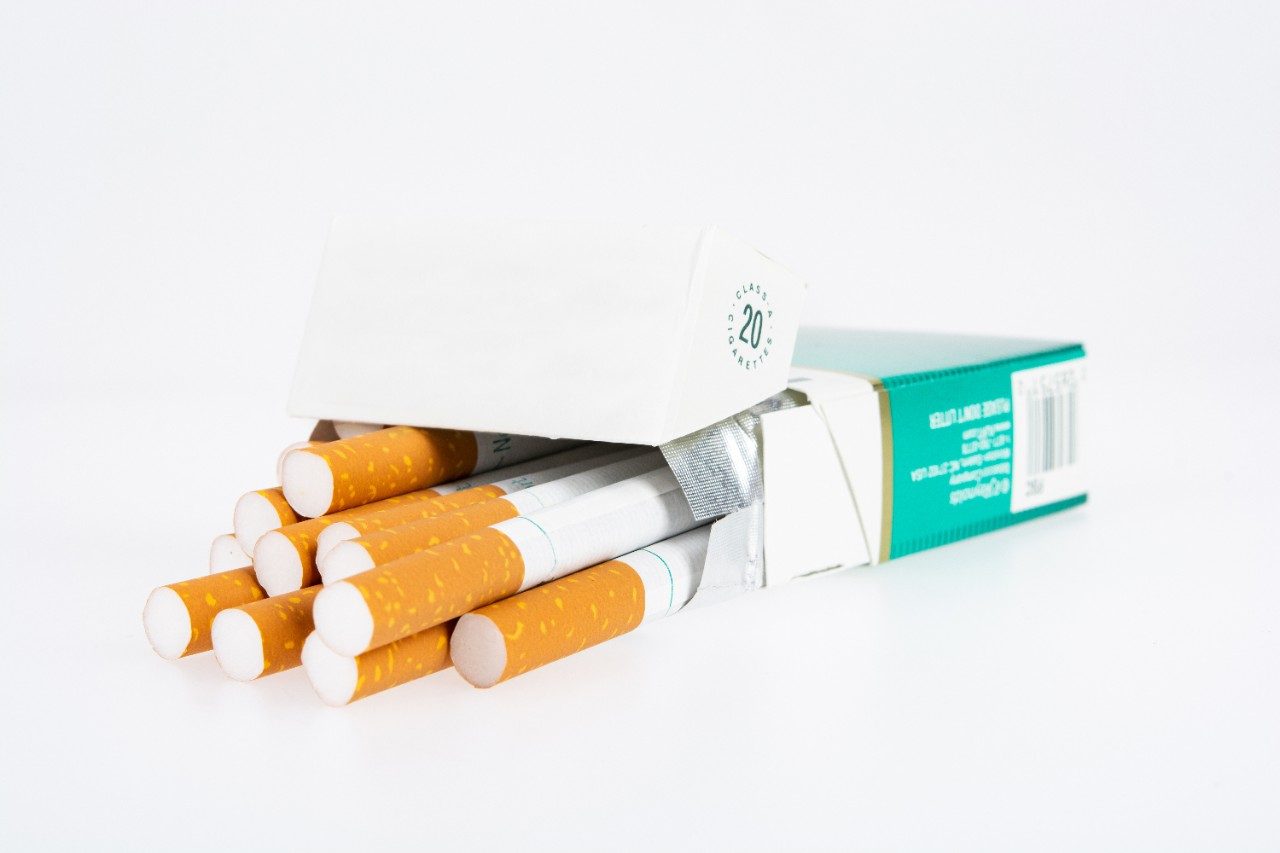
Half of teens and youth who smoke cigarettes smoke menthols.